STATE ATTORNEYS URGED TO ADHERE TO LEGAL PRINCIPLES IN DRAFTING NEGOTIATION DOCUMENTS

State Attorneys have been trained and urged to adhere to procedures and legal principles when drafting Settlement Agreements whenever disputes involving the Government or its institutions are resolved through negotiation or reconciliation.
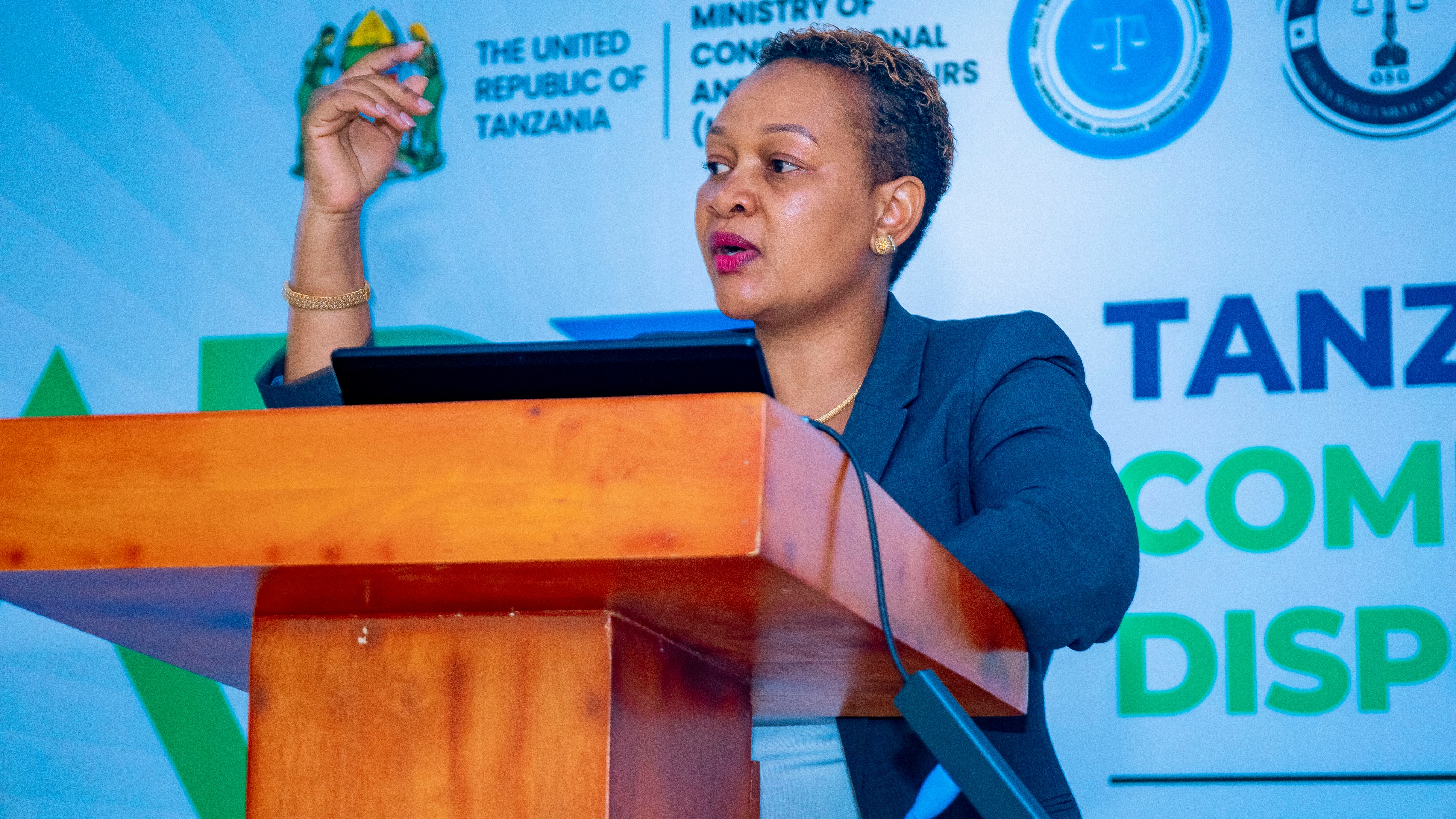
This was stated by the Assistant Director of the Negotiations and Dispute Resolution Section in the Office of the Attorney General, Mr. Benno Anthony Sanga, during a special training session for State Attorneys at the Tanzania Commercial Dispute Resolution Week and Commercial Dispute Resolution Conference 2026, held from September 28 to October 2, 2026, in Dar es Salaam.
Speaking while presenting a paper on how to draft settlement agreements for resolved disputes, Mr. Sanga reminded State Attorneys to comply with laws, regulations, and procedures, while prioritizing national interests when drafting Settlement Agreements.
Furthermore, Mr. Sanga explained that it is essential for State Attorneys to involve the Office of the Attorney General at every stage of negotiations and drafting of settlement agreements, including submitting these instruments for thorough vetting, legal advice, or guidance.
He noted that when institutions follow the correct procedures and seek guidance from the Office of the Attorney General, it will help prevent potential disputes arising from these agreements and protect the Government from financial losses.
In addition, Mr. Sanga stated that the Government, through the Office of the Attorney General, has improved and strengthened efficiency in negotiation and dispute resolution matters, including establishing the new Division of Negotiation, Contract Management and Dispute Resolution (DCNMDR) during the 2026/27 financial year.
The Office of the Attorney General is among the sponsors of the Tanzania Commercial Dispute Resolution Week and Commercial Dispute Resolution Conference 2026, coordinated by the Tanzania International Arbitration Centre (TIAC) under the theme: “Building Trust in Alternative Dispute Resolution (ADR): Enhancing Efficiency, Accessibility and Innovation in Commercial Dispute Resolution.”